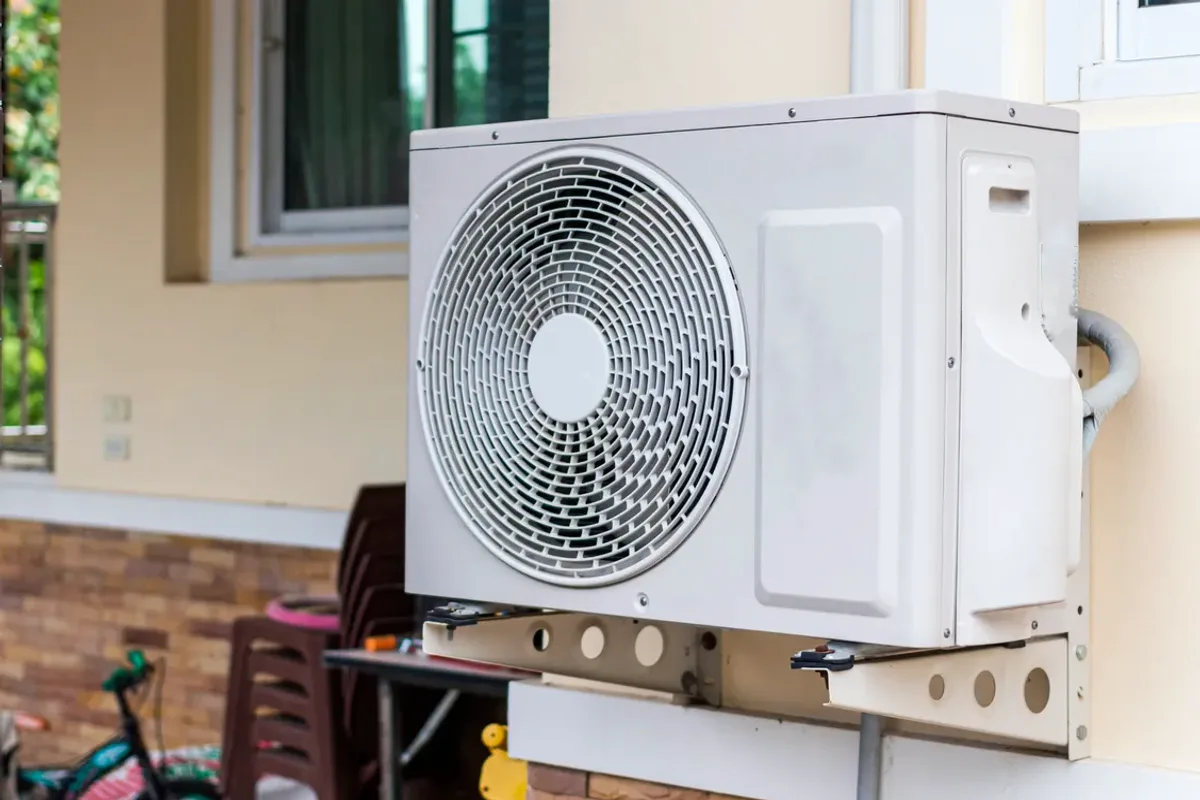
Request heat pump repair & installation for a property in Ingersoll. Include the equipment, the problem or planned work, and your location so the request can be reviewed.
What should be checked when a heat pump stops heating or cooling properly?
A heat pump serves heating and cooling functions, so a fault may appear in one mode, both modes, or during a change between them. Air-to-air systems and ductless mini-splits have different layouts, and cold-climate models have equipment-specific operating requirements. Diagnosis should establish whether a symptom comes from controls, airflow, electrical components, or another part of the system. Repair and installation are separate decisions, with replacement assessed against the existing equipment and the property's heating and cooling needs.
Note which operating mode is affected, when the problem occurs, whether the system cycles unusually, and any displayed fault information. A service assessment can compare those observations with the thermostat, airflow, electrical operation, and the model's sequence of operation. This helps distinguish a repairable component fault from a broader condition that may prompt comparison with a replacement system.
Heating, cooling, short-cycling, and electrical fault diagnosis
Air-to-air, cold-climate, and ductless mini-split distinctions
Heat-pump installation selection and repair-versus-replacement decisions
Assessment and Scope
Questions for the Proposed Work
01
Diagnose symptoms across heating and cooling modes
A unit that cools but does not heat presents a different diagnostic clue from one that fails in both modes. Short cycling or a breaker trip also needs professional investigation because electrical and control faults can affect system operation. Air-to-air and ductless systems have different equipment arrangements, and cold-climate models have their own specifications. Recording the mode, timing, and displayed fault information helps focus an assessment without attempting internal checks.
02
Compare a repair with a properly selected replacement
A repair may suit an isolated fault when the rest of the system is serviceable and compatible parts are available. Replacement becomes a separate option when inspection finds major deterioration, recurring faults, or a system that does not fit the property's requirements. Sizing and selection should account for the existing distribution, rooms served, and intended heating and cooling use. Ask what evidence supports each option rather than treating rising operating costs alone as a diagnosis.
03
Time inspection and maintenance to system requirements
A system inspection can check controls, airflow, electrical components, and other items identified by the manufacturer. For a heat pump used in both modes, findings before a seasonal change can clarify whether a concern affects heating, cooling, or both. Maintenance tasks depend on the model and inspection results, not an automatic schedule of repairs or cleaning. Breaker trips and internal electrical concerns call for professional assessment rather than repeated resets.
Compare the next step
Require each proposal to state the building loads and the heating-duty strategy it assumes. Ask how the selected equipment output compares with those loads and what backup operation is expected. Compare electrical, duct, control, commissioning, and maintenance requirements as part of the system rather than separate headline specifications.
Cold-climate capability does not prove that one model covers every home heating load. Ask how the selected equipment and supplementary heat meet the actual design requirements.