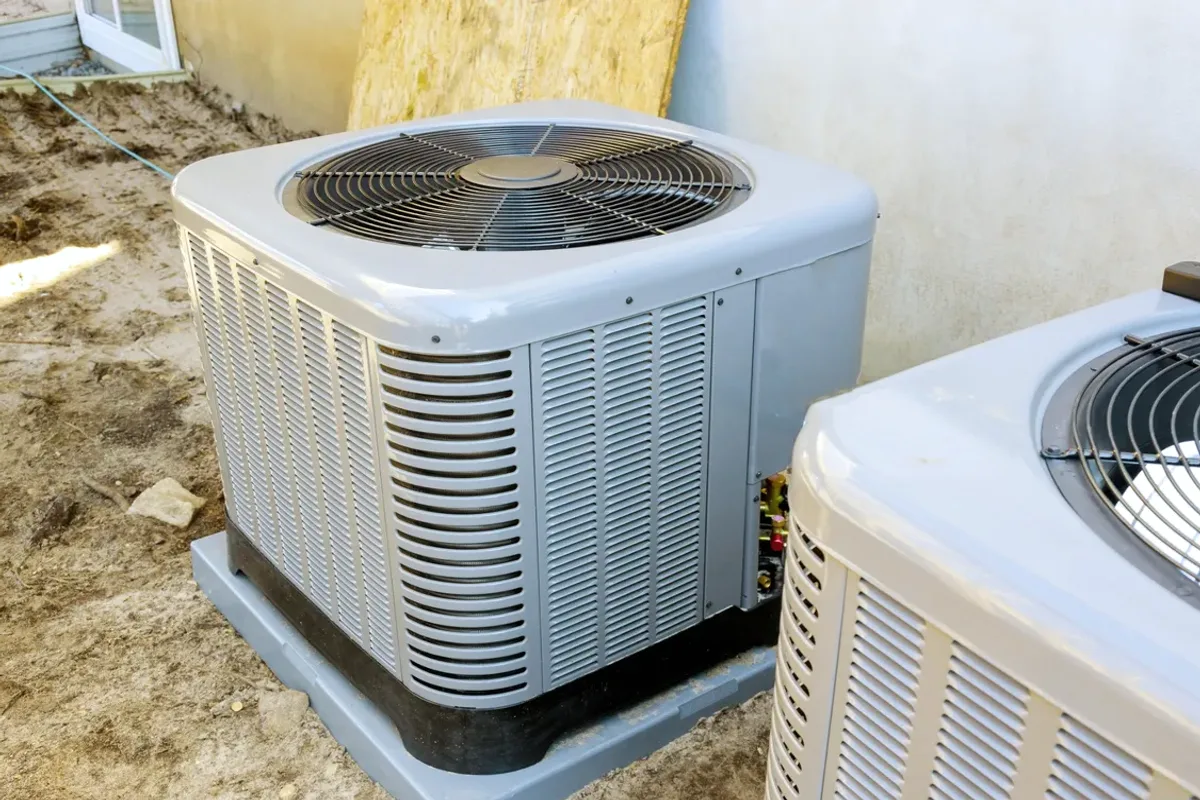
What information helps diagnose an air conditioner that is running but not cooling?
An air conditioner that blows warm air, cycles unusually, makes a new noise, or will not start needs diagnosis before parts are replaced. Central air and ductless systems have different configurations, so the equipment type and the observed symptom help define the inspection. Airflow, coils, controls, and refrigerant-related findings can point to different work. Repair and replacement are separate choices, informed by the fault, system condition, and whether the necessary components remain serviceable.
Note whether the issue affects every room or one zone, when it began, and whether the system starts and stops normally. A service assessment can compare those observations with thermostat operation, airflow, coil condition, and refrigerant-circuit findings. The distinction between a control fault, an airflow problem, and a sealed-system issue affects both the repair procedure and the repair-versus-replacement discussion.
Warm-air, noise, startup, and short-cycling diagnosis
Central air and ductless system component differences
Airflow, coils, refrigerant circuit, controls, and replacement decisions
Assessment and Scope
Questions for the Proposed Work
01
Distinguish airflow and control faults from refrigerant issues
Warm air can result from a thermostat or control problem, reduced airflow, coil conditions, or a refrigerant-circuit fault; the symptom alone does not identify the cause. Central systems and ductless units have different indoor and outdoor arrangements, so inspection should match the installed equipment. Refrigerant checks and repairs require appropriate professional handling. A new noise or repeated cycling adds useful evidence when compared with the unit's normal operating sequence.
02
Use the diagnosed fault to weigh repair or replacement
An isolated electrical or control component fault may be repairable if the remaining equipment is in sound condition and suitable parts are available. A major sealed-system repair, recurring faults, or several deteriorated components can make replacement worth comparing. Ask what test results support the diagnosis and what the proposed repair is expected to address. For either option, account for the existing system configuration and the property's cooling needs.
03
Make maintenance checks specific to the installed system
Inspection findings can guide attention to airflow, coils, thermostat operation, electrical components, and the refrigerant circuit. Which checks apply depends on whether the property has central air or a ductless system and on the manufacturer's instructions. Maintenance is not a substitute for investigating weak cooling or unusual cycling. Internal electrical work and refrigerant service should be left to qualified professionals, and a fault should not be addressed by repeatedly restarting the equipment.
Compare the next step
Use the same cooling complaint and equipment information when requesting a second proposal. Ask why the scopes differ and whether either assumes additional work after diagnosis. A repair, a matched-system replacement, and a distribution improvement solve different problems and should not be compared as interchangeable equipment prices.
Do not open electrical panels or handle refrigerant. If ice, water near electrical equipment, or abnormal operation is present, stop using the affected system and request an assessment.