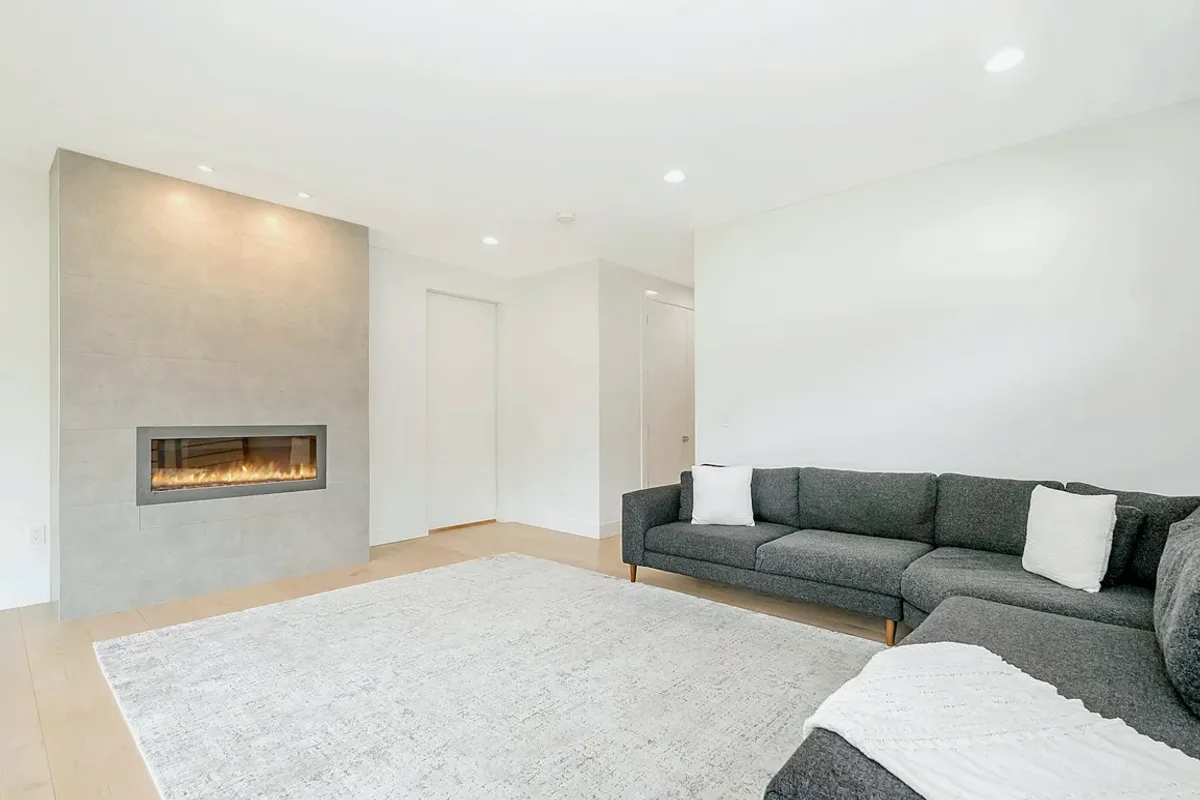
Request fireplace installation for a property in Ingersoll. Include the equipment, the problem or planned work, and your location so the request can be reviewed.
What should be assessed before choosing a fireplace and installation location?
Adding or replacing a fireplace involves more than choosing an appliance: the room layout, fuel or power source, vent route, and surrounding construction determine the installation scope. Gas, electric, and wood-burning models have different connection and venting requirements. An existing chimney or fireplace opening may be considered for reuse only after its condition and suitability are assessed. For a replacement, the condition of the appliance, firebox, and venting helps distinguish repair from a new installation.
Consider where the fireplace would sit, what type of appliance is being considered, and whether an existing opening or chimney is part of the plan. An assessment can review surrounding construction, clearances, available connections, and the proposed vent route. These findings matter because they determine whether the project is a replacement in a suitable opening or requires additional installation work.
Gas, electric, and wood-burning fireplace installation
Direct-vent, chimney, and existing-opening assessment
Repair or replacement based on appliance, firebox, and vent condition
Assessment and Scope
Questions for the Proposed Work
01
Match appliance type to the room and connections
Gas, electric, and wood-burning fireplaces have different installation needs, so appliance choice affects the location and work required. A gas unit depends on a suitable fuel connection and vent arrangement; an electric model depends on its electrical requirements; a wood-burning unit depends on an appropriate firebox and vent path. Room layout and intended use help narrow the options. Confirm the selected model's requirements before planning surrounding finishes.
02
Assess openings, chimneys, and vent routes
Where an existing opening or chimney is being reused, its dimensions and condition need to be compared with the chosen fireplace. A new direct-vent route or chimney connection can change the installation scope, especially where finished walls or other construction are involved. The appliance and vent system must be considered together. Do not assume an old vent is suitable for a different model or fuel type without an inspection.
03
Decide whether an existing fireplace needs repair or replacement
For an existing appliance, inspection findings can show whether a serviceable component is the concern or whether damage to the firebox, appliance, or vent changes the decision. Repair and replacement should not be treated as interchangeable: the condition of the main components and compatibility with the vent route matter. Ask which observations support the recommendation. Fireplace-specific findings should guide the scope rather than assumptions based on another type of heating equipment.
Compare the next step
Ask bidders to price the same appliance location and finished outcome. Itemize venting, fuel connection, framing, permitted surrounds, controls, and any electrical work. If models differ, compare intended heating use and installation requirements before interpreting the difference as a saving for otherwise equivalent work.
Use a qualified contractor for the chosen appliance and any fuel, venting, or electrical work. Do not alter the appliance or defeat its controls. Confirm its manufacturer operating requirements before relying on it for whole-home or outage heating.