Most homeowners in Ingersoll cannot remember the date of their last HVAC service, and the system rarely reminds them until something breaks. A short checklist settles the question faster than a guessing game. Five quick checks, honest answers, and a clear verdict on whether your furnace and air conditioner are due for a professional visit.
A Calendar Built Around Two Busy Seasons
Ontario gives heating and cooling equipment two hard stretches a year, and the service schedule should mirror them. Spring belongs to the air conditioner: it has collected dust and debris since September, and a tune-up in April or May means it meets its first hot week ready. Fall belongs to the furnace: an inspection in September or October finds combustion and safety issues while they are still quiet.
Space the visits roughly six months apart. That interval is short enough that nothing drifts far, and long enough that each visit has real work to do.
The Long-Term Payoff
Homeowners who stay consistent with maintenance notice the difference within a year or two: steadier temperatures, lower utility bills, and far fewer emergency calls. Over the long run the bigger wins show up. Well-maintained furnaces and air conditioners often run well past the 15-year mark, while neglected units can fail years earlier, and every extra season delays a five-figure replacement.
If it has been more than a year since your last service, that is the signal. Ingersoll Heating & Cooling books spring and fall maintenance across the Ingersoll area, and the habit only gets easier once it is rolling.
Why Your HVAC System Needs Regular Attention
A furnace and air conditioner run for thousands of hours a year, and none of that work happens in clean conditions. Dust builds up on coils and burners, filters clog, electrical connections loosen, and moving parts wear down a little at a time. The decline is slow enough that most homeowners never see it coming.
That is the case for regular service. A technician who inspects the equipment twice a year catches the small things, a worn part, a dirty sensor, a loose wire, while they are still cheap to fix, and keeps the whole system running at the efficiency it was built for.
What a Maintenance Visit Actually Includes
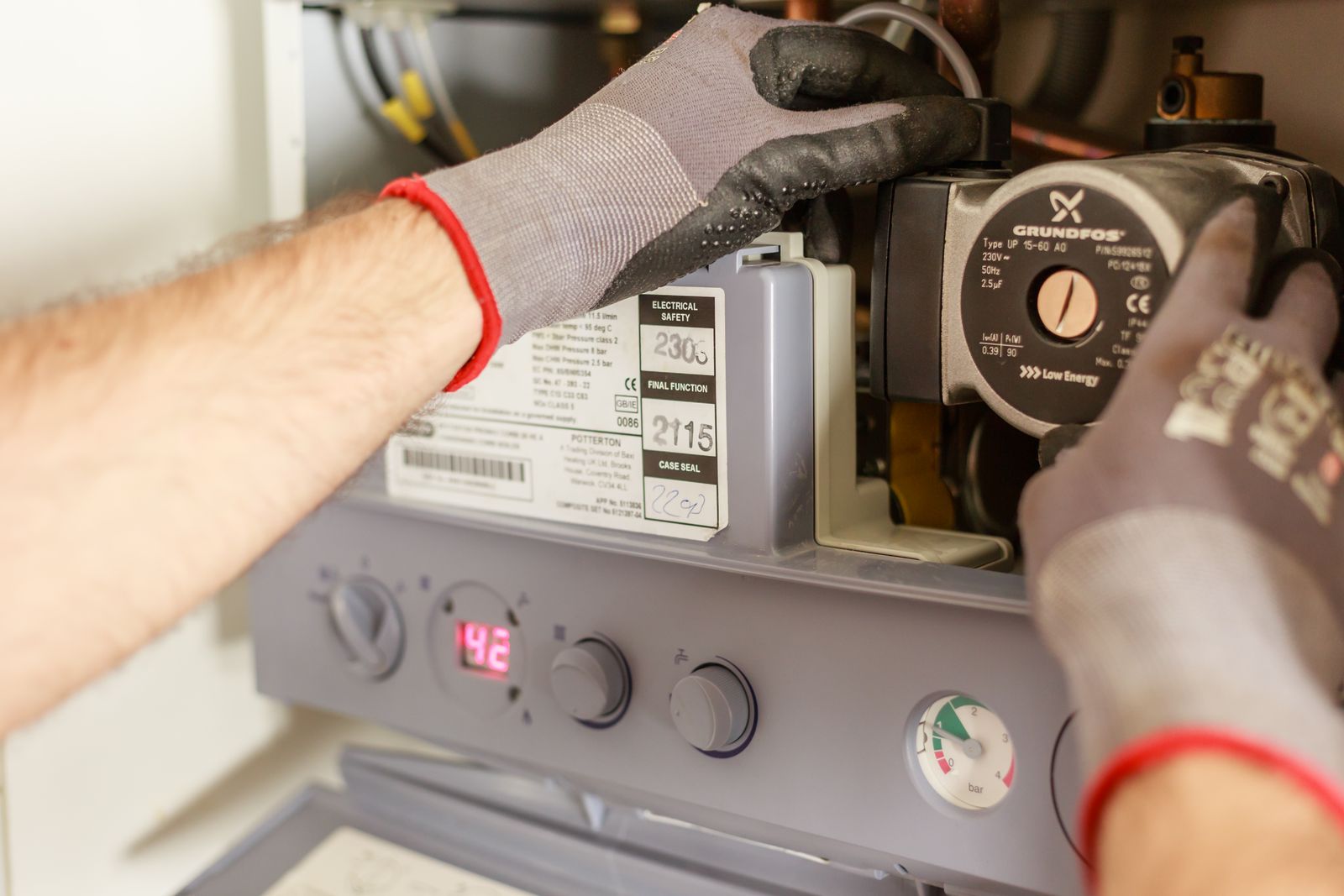
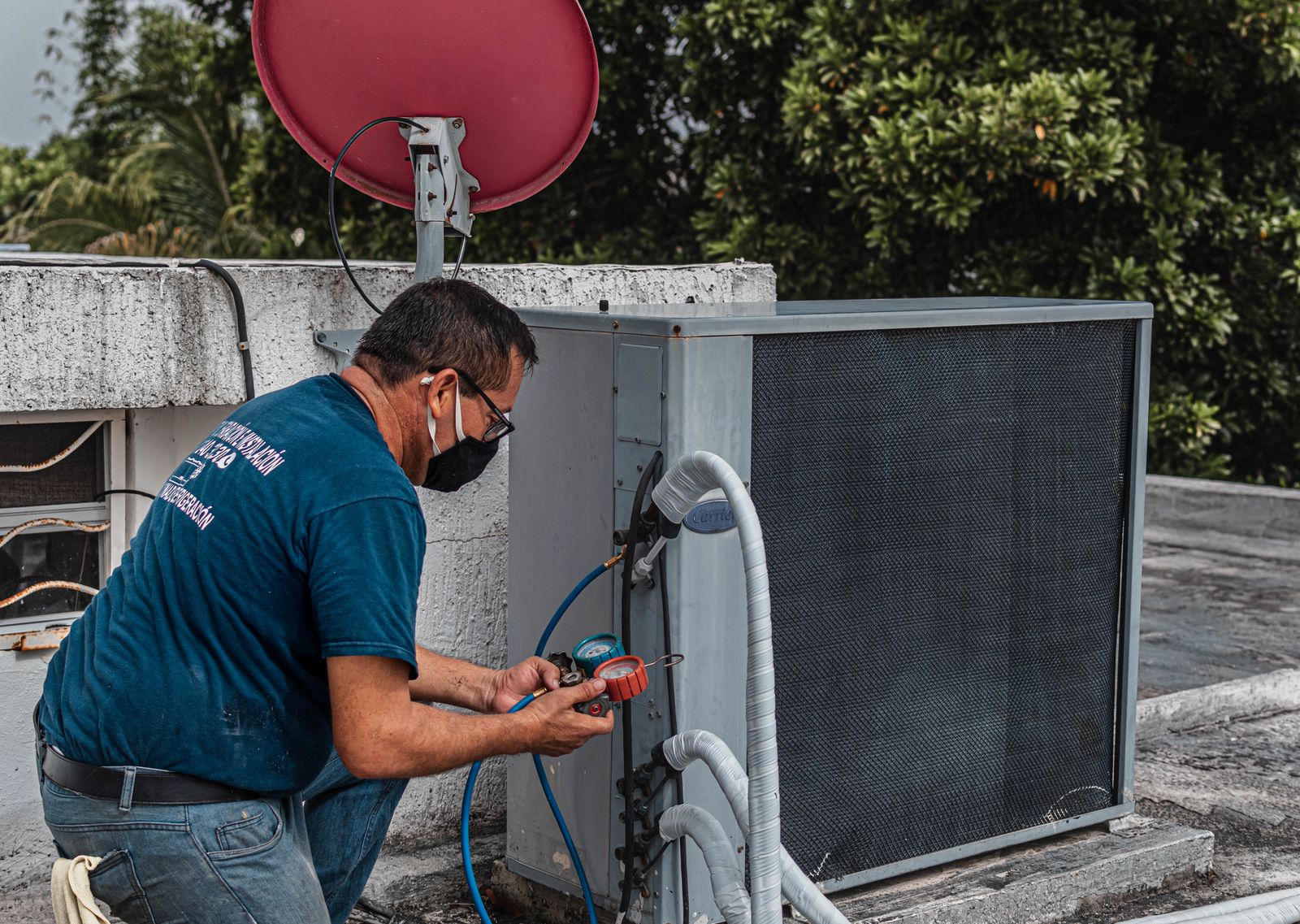
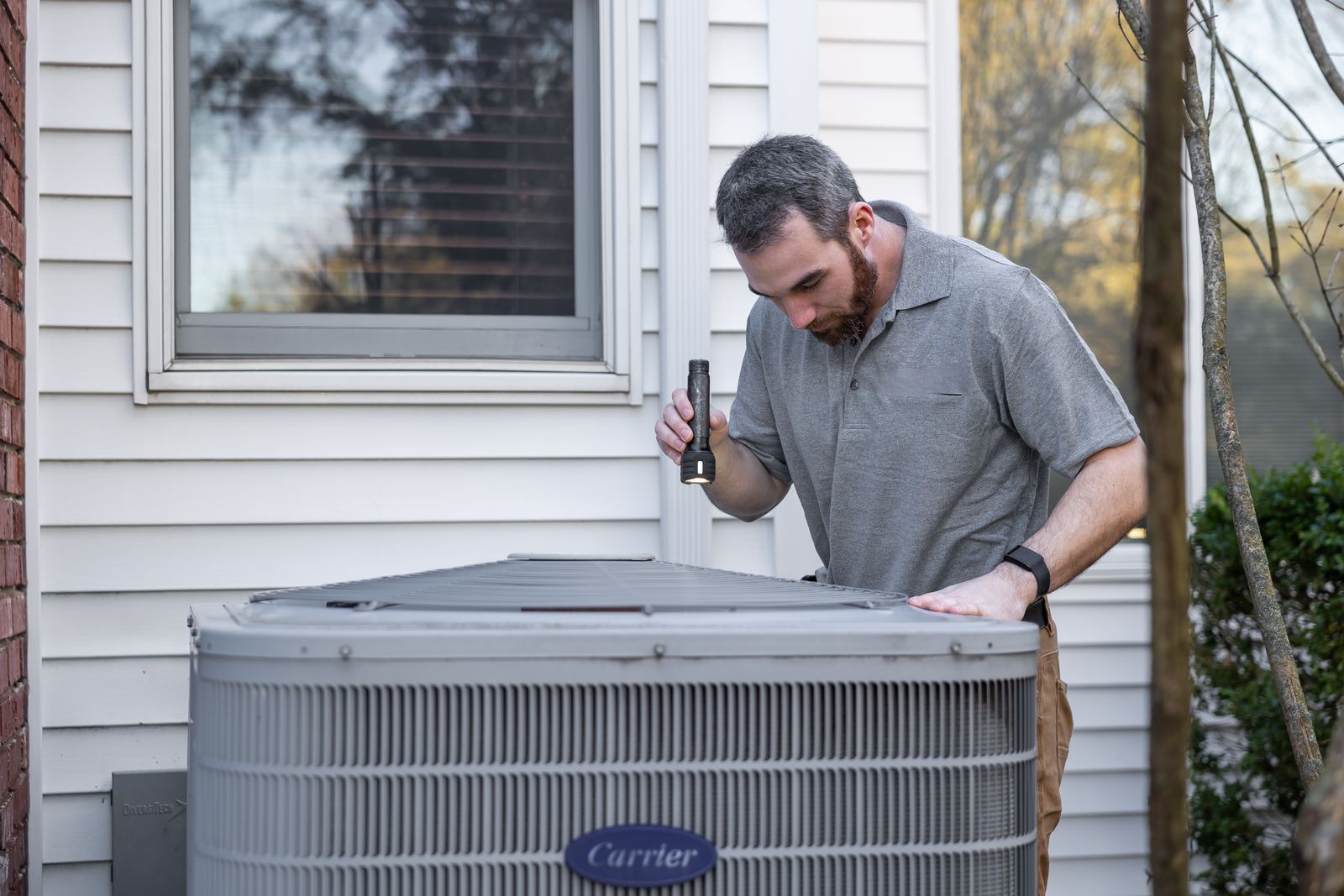
A professional tune-up is more than a filter swap. On the cooling side, the technician measures refrigerant levels, cleans the outdoor condenser coil, inspects electrical connections and capacitors, tests the thermostat, and takes an airflow reading at the vents. On the heating side, the visit covers a heat exchanger inspection, burner cleaning, gas connection and ignition checks, venting verification, and a fresh filter.
Every maintenance visit also doubles as a safety check. Combustion and carbon monoxide concerns get looked for deliberately, because they rarely announce themselves any other way.